
Kare-kare is one of the most well-loved dishes across the Philippines. You’ll find it in birthday parties, town fiestas, and casual weekend meals, usually served with rice and a small plate of bagoong on the side. The thick peanut sauce, paired with beefy cuts and soft vegetables, feels familiar to Filipinos no matter where they are.
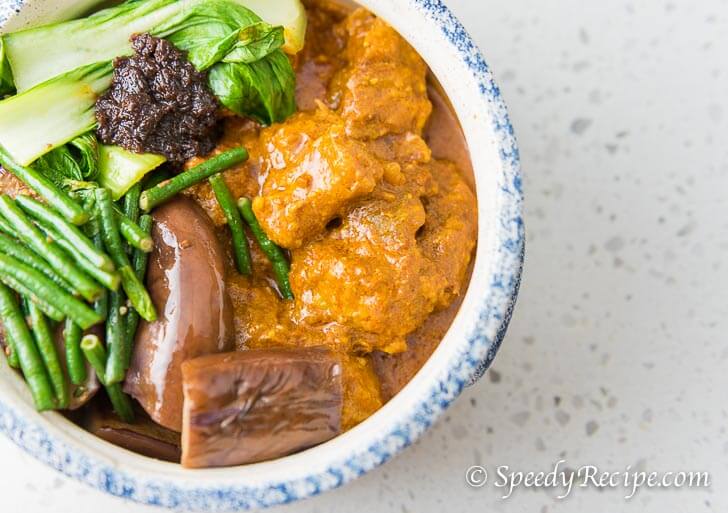
I enjoy kare-kare most when it’s made with oxtail. That cut has a slow-cooked tenderness that works well with the peanut-based sauce. I usually pair it with grilled eggplant and plain steamed rice. This version also cooks faster than most traditional methods thanks to the pressure cooker.
What gives this recipe its edge is the balance between ground peanuts and peanut butter, plus a touch of glutinous rice powder that gives just the right consistency. Some kare-kare versions skip real peanuts or use too much peanut butter, but this one keeps both in check. Another thing is, I steam the vegetables separately so they stay fresh and don’t overcook in the sauce.
What is Kare-kare (Oxtail Peanut Stew)?
Kare-kare is a Filipino stew made with oxtail or tripe simmered in a thick peanut sauce. The name comes from “curry-curry,” which was likely borrowed from the word “kari,” meaning “sauce,” during early trade with India, though the dish itself does not contain curry spices.
It’s popular throughout the Philippines for its comforting taste and strong links to Filipino food culture. While most assume kare-kare started in Pampanga or around Metro Manila, one version of its origin traces it to Moro soldiers who cooked peanut-based stews during the Spanish colonial era. The use of bagoong as a salty counterpoint is an important add-on to the whole experience, and that’s something Filipino households never skip.
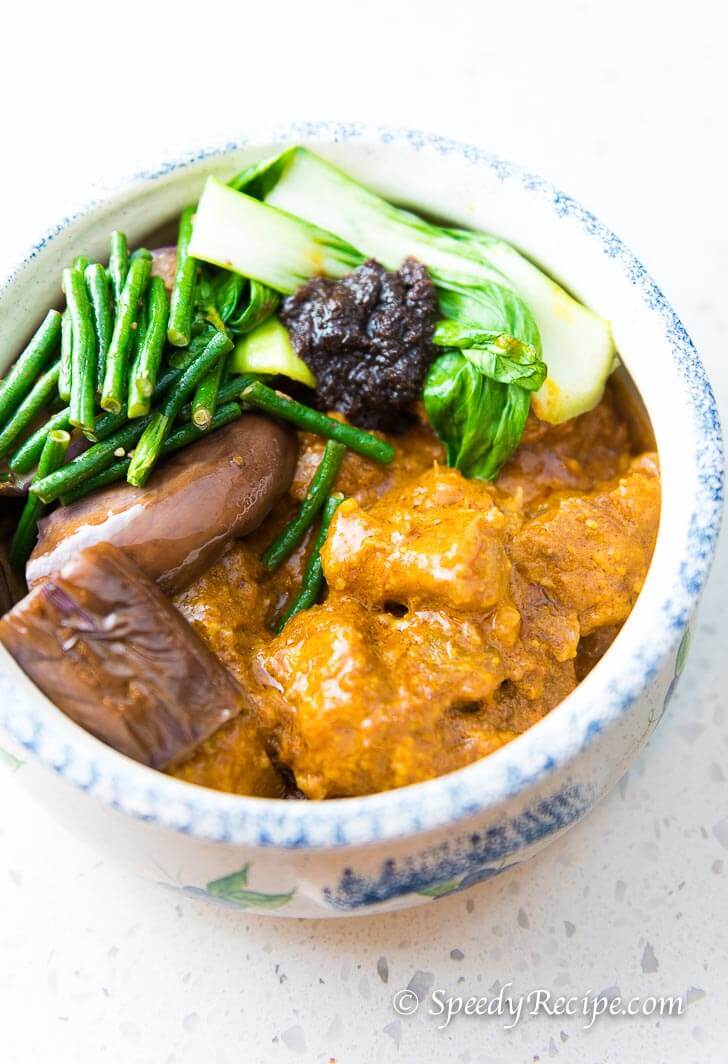
Ingredients of Kare-kare
Main Components:
- Oxtail (2 lbs, pressure cooked for 30 minutes) – This cut gives the stew its richness thanks to the collagen from the bones. I like using oxtail because it softens beautifully when cooked under pressure.
- Beef broth (2½ cups) – Used as the base liquid for the peanut sauce. If you’re using the liquid from pressure cooking the oxtail, it works even better.
- Garlic (3 cloves, crushed and minced) – Helps start off the base flavor when sautéed. The aroma builds quickly once it hits hot oil.
- Onion (1 medium, minced) – Adds a subtle sweetness and helps the garlic develop more flavor during the sauté.
- Cooking oil (3 tablespoons) – Used to sauté the aromatics and help blend the base ingredients before adding liquids.
For the Sauce:
- Ground peanuts (½ cup) – These thicken and enrich the sauce naturally. I like the slightly gritty consistency they bring compared to just using peanut butter.
- Peanut butter (¼ cup) – Adds creaminess and blends easily into the broth. Stick to unsweetened varieties to avoid any odd aftertaste.
- Annatto seeds (½ cup, soaked in ½ cup warm water) – Gives the stew its signature orange hue. After soaking, pour only the tinted water into the pot and discard the seeds.
- Glutinous rice powder (1 tablespoon) – Helps the sauce reach the right consistency. It thickens evenly if sprinkled gradually while stirring.
For Serving:
- Chinese eggplant (2 pieces, sliced and steamed) – Steamed separately so they stay intact and absorb just enough sauce on the plate.
- Bok choy (1 bunch, steamed) – Adds a light, leafy contrast to the rich stew. Steam just until bright green and slightly tender.
- String beans (1 bunch, cut into short pieces and steamed) – Brings crunch and freshness. I cut them into 2-3 inch lengths for easier serving and eating.
- Shrimp paste or bagoong (½ cup, cooked) – Always served on the side, never stirred in. Its saltiness complements the peanut sauce and rounds out the meal.
How This Kare-kare Stands Out
Most kare-kare recipes online lean heavily on peanut butter alone, but this version uses both ground peanuts and peanut butter in tandem. That small choice adds depth without the sauce turning too sweet or pasty. I also keep the annatto separate from the sauté step to avoid burning it and instead add it directly with the broth for even coloring.
Another common shortcut is skipping glutinous rice powder, but I find it gives the peanut sauce a better mouthfeel compared to plain flour or cornstarch. And rather than boiling the vegetables in the stew, I steam each one separately so they don’t turn soggy or blend into the sauce.
Compared to traditional versions, this one finishes faster because the oxtail is pressure cooked up front. That gives you the same tenderness without waiting two or more hours on the stove. You still get the full kare-kare character, just on a tighter timeline.
Now that you’ve seen how this version handles flavor and prep, let’s get into how to cook it step by step.
How to Cook Kare-kare
- Start with a good sauté – Heat 3 tablespoons of cooking oil in a large pot over medium heat. Sauté 3 cloves of crushed and minced garlic along with 1 minced onion until they soften and begin to turn golden. This step helps build the base of the stew. Don’t rush this part as a gentle sauté brings out the best flavor.
- Add the meat – Place the pressure-cooked oxtail (2 lbs) into the pot. Stir it around to coat it with the sautéed aromatics and let it cook for about 2 minutes. This helps the meat absorb the base flavors before the broth goes in. Make sure there’s space in the pot for it to move freely.
- Build the broth – Pour in 2½ cups of beef broth. Then, strain the annatto water (from soaking ½ cup annatto seeds in ½ cup warm water) and add just the tinted liquid. Stir well and let the broth come to a gentle boil while the oxtail simmers.
- Introduce the peanut base – Once the broth is bubbling, stir in ½ cup of ground peanuts and ¼ cup of peanut butter. Keep the heat on medium and mix until the peanut butter fully blends in. Cover and let it cook for 30 minutes so the sauce starts to reduce.
- Thicken the sauce – Sprinkle in 1 tablespoon of glutinous rice powder evenly across the surface of the stew. Stir right away to avoid lumps and continue cooking until the sauce thickens. If you need more thickness, you can add a bit more rice powder, but always mix well.
- Steam the vegetables separately – While the stew simmers, steam 2 sliced Chinese eggplants, 1 bunch of bok choy, and 1 bunch of string beans (cut into short lengths). Steaming keeps them vibrant and lets you control their doneness. I usually steam them just until tender, then set aside.
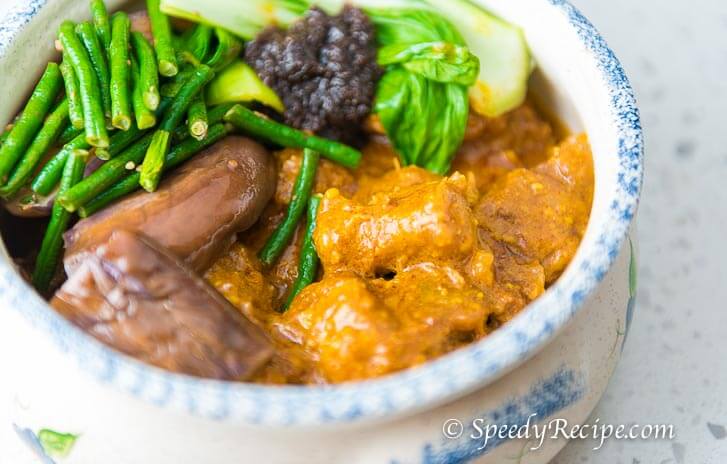
- Assemble and serve – Place the kare-kare into a large serving bowl. Arrange the steamed vegetables on top or around the stew. Serve with ½ cup of cooked shrimp paste on the side, guests can add it themselves to taste.
What to Have with Kare-kare
ChatGPT said:
Perfect. Here’s the next section:
What to Have with Kare-kare
I usually enjoy kare-kare with plain white rice and a cold glass of calamansi juice. The peanut-heavy sauce begs for something with bite, and the bagoong helps bring it all together. This kare-kare is rich, so pairing it with lighter or tangier side dishes keeps the plate interesting.
- Crispy Pork Belly (Lechon Kawali) – This adds a crunchy contrast to the stew. A bite of pork dipped in shrimp paste followed by a spoonful of kare-kare is a usual combo in Filipino households. Some even swap out oxtail for lechon kawali entirely.
- Lumpiang Shanghai – These crispy pork spring rolls provide a flavorful contrast to the stew’s soft texture. I like putting a piece of lumpia on the plate for crunch and dipping variety. It also gives a familiar anchor to those trying kare-kare for the first time.
- Cucumber Salad – This cucumber salad with vinegar cuts through the peanut sauce with acid and freshness. I enjoy this combo especially when serving kare-kare at lunch. It’s light, sharp, and keeps everything from feeling too heavy.
Kare-kare is one of those dishes that doesn’t need too many extras to shine, but having the right sides keeps the meal engaging from start to finish. If you’re introducing someone to this dish, these options work well as part of the spread.
Kare-kare (Oxtail Peanut Stew) Recipe
Ingredients
- 2 lbs. oxtail, pressure cooked for 30 minutes
- ½ cup ground peanuts
- ¼ cup peanut butter
- ½ cup annatto seeds, diluted in ½ cup warm water
- 2 1/2 cups beef broth
- 1 medium onion, minced
- 3 cloves garlic, crushed and minced
- 1 tablespoon glutinous rice powder
- 3 tablespoons cooking oil
- 2 sliced Chinese eggplant, steamed
- 1 bunch bok choy, steamed
- 1 bunch string beans cut into short pieces, steamed
- ½ cup shrimp paste, bagoong, cooked
Instructions
- Heat oil in a pot.3 tablespoons cooking oil
- Sauté garlic and onion.3 cloves garlic, 1 medium onion
- Add the cooked ox tail. Cook for 2 minutes.2 lbs. oxtail
- Pour the beef broth into the pot. Let boil.2 1/2 cups beef broth
- Add the peanuts, peanut butter, and water where the annatto seeds were soaked. Stir. Cover and continue to cook in medium heat for 30 minutes or until the liquid reduces to half.½ cup ground peanuts, ¼ cup peanut butter, ½ cup annatto seeds
- Sprinkle the glutinous rice powder. Stir well until the powder dilutes in the sauce. Cook until the peanut sauce gets thick according to your preference.1 tablespoon glutinous rice powder
- Arrange in a serving bowl. Top with steamed vegetables and serve with shrimp paste. Enjoy!2 sliced Chinese eggplant, 1 bunch bok choy, 1 bunch string beans cut into short pieces, ½ cup shrimp paste
Recipe Notes
- Thickening the sauce. Glutinous rice powder helps give the sauce a rich consistency without changing the flavor. Sprinkle it gradually while stirring to avoid clumping. If you can’t find this ingredient, plain all-purpose flour works too, though it takes a bit more to thicken.
- Peanut options. If you’re using roasted peanuts, grind them fine so they blend well. You can also toast raw peanuts in a dry pan to deepen the flavor before grinding. Don’t use salted peanuts as it throws off the entire flavor of the dish.
- Oxtail prep. Trimming excess fat before pressure cooking can help prevent the stew from turning greasy. After pressure cooking, feel free to skim off any extra fat from the broth before adding it to the stew.
- Steaming vs boiling vegetables. Always steam the vegetables in a separate pot or basket. Boiling them in the stew may save time, but they tend to lose color and become too soft. Steaming keeps everything bright and tender.
- Storing leftovers. Keep the stew and vegetables in separate containers if possible. Reheat the kare-kare over low heat and steam the vegetables again quickly to refresh them without turning them soggy.





Leave a Reply