
In the Philippines, the vast local cuisine thrives just as much as the agricultural industry. With a wide array of vibrant vegetables and crops in most provinces, Filipino cooks are always invited to explore their palates and the ingredients they have at their disposal. This is why one of the most popular cooking methods called adobo was incorporated into many sources of protein. This involves the layering of rich soy sauce, vinegar and garlic and sautéing it with other ingredients of choice. For the case of Adobong Sitaw, the wondrous yardlong beans were utilized. This is to add some unique texture to your usual soy sauce-infused dish.
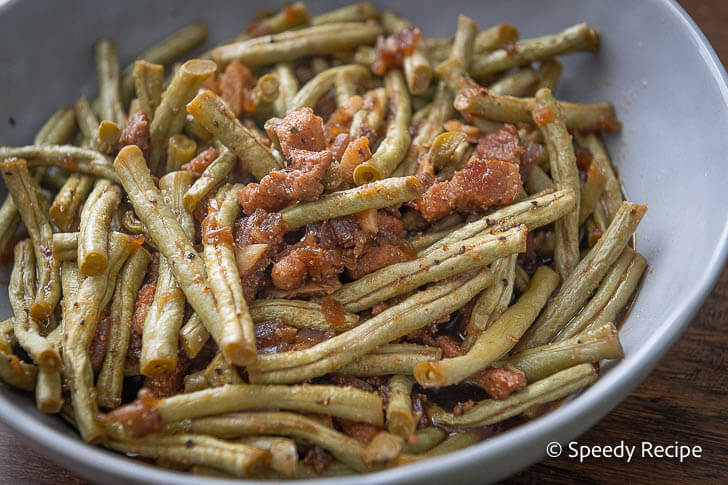
What is Adobong Sitaw?
Adobong Sitaw is essentially the same signature adobo dish sautéed in garlic, vinegar and soy sauce. However, its added crisp and color comes from, evidently, the hero of the dish itself– the sitaw! Otherwise known as snake beans or long green beans, the sitaw is a largely flexible ingredient. It is known to be great in most cooking methods. From steaming, baking to stir-frying, this delicious vegetable has no end to its usefulness, so long as you choose to be a bit innovative in your cooking.
And so while most Filipino dishes contain their massive share of meat, this rendition of adobo has the highly nutritious snake beans taking charge of the texture and nutrient count of the dish. This is a healthy way to have your flavorful adobo stew. In fact, one cup of raw string beans contains about 211 milligrams of Potassium, 0.24 milligrams of Zinc, and 1.03 milligrams of Iron.
But you also won’t be missing out on your protein for this dish. We use 2 ounces of pork for some added meatiness and flavor in this recipe.
Interested in giving this dish a try? Come cook it with me!
Making our mildly tangy and savory Adobong Sitaw:
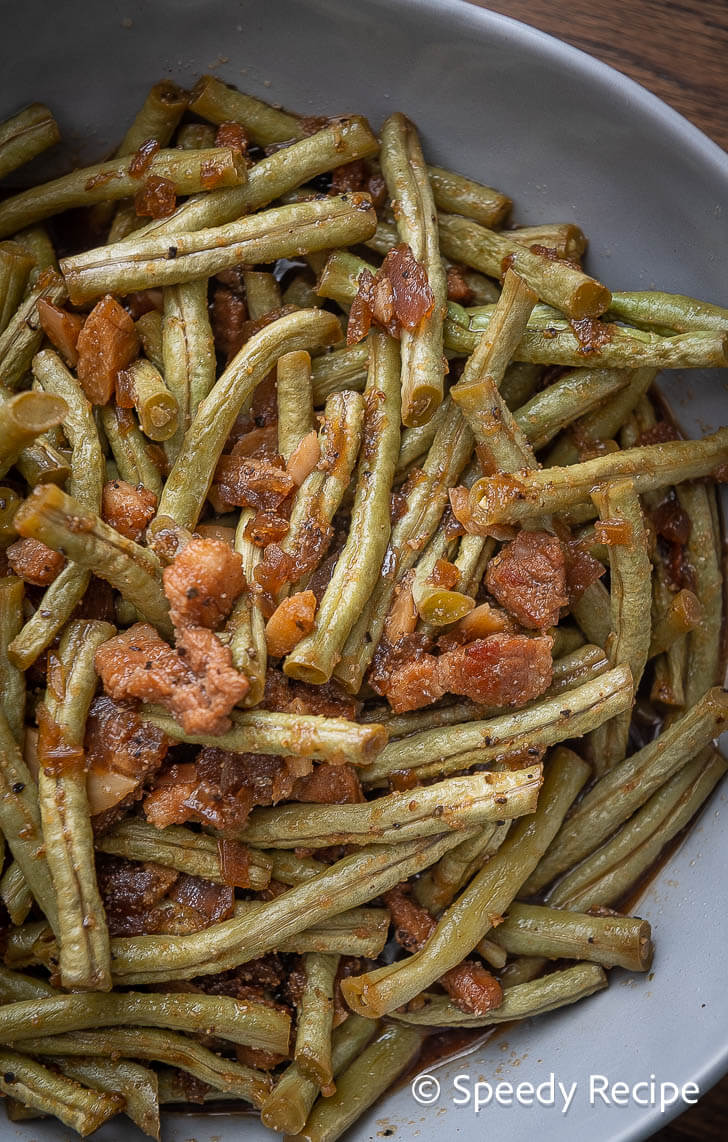
Get your pan, and start heating 3 tablespoons of cooking oil on it. Then place 2 ounces of chopped pork in the pan, and cook this until it becomes a medium brown. Afterwards, add 6 cloves of chopped garlic, and sauté this for about 1 minute.
Take 1 piece of onion that’s been chopped, and put this in your pan as well. Sauté this until it becomes translucent. Afterwards, pour 5 tablespoons of soy sauce, and cook this while stirring. Keep doing this until the liquid completely evaporates. Then we can add 4 tablespoons of white vinegar and ¾ cups of water. Cover your pan and let it boil.
Adding our snake beans or sitaw:
Then adjust your heat between low to medium. Continue this boiling process for 10 more minutes, and if needed, feel free to add water! Then we can place one of our principal ingredients into the pan, which are 15 pieces of snake beans that have been cut into pieces. Cover your pan, and cook for 8 more minute
And for a more balanced ratio of flavor among sweet, savory and sour, season this with ½ teaspoon of sugar, and salt and ground black pepper to your preference. Stir this well, then cook for 3 minutes.
Now, you’re ready for spoonfuls of flavorful pork and sitaw stew!
If this Adobong Sitaw recipe appealed to your taste buds, I’ve got some more suggestions in the kitchen for you.
Try these related recipes out:
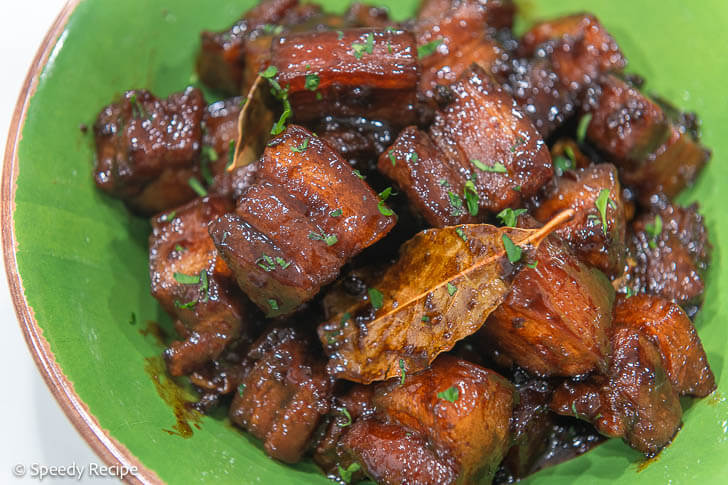
This is a pork adobo version that uses soda pop as part of the ingredient. Pork belly is sliced into serving pieces and cooked with coke, bay leaves, and whole pepper. It is a tasty dish with a sweet flavor.
Ginisang Sitaw Kalabasa at Malunggay with Shrimp (Sautéed Squash with Shrimp)

Contrasting textures often go well together in a tasty stew. And in this case, the tender squash tastes greatly complementary to the cruncy snake beans in our Sautéed Squash with Shrimp. If you are looking for a comforting, warm seafood and vegetable dish, this is one I can definitely recommend for you. It only takes about 23 minutes to make, and has all the salty, succulent flavors of malunggay, shrimp and chicken broth.
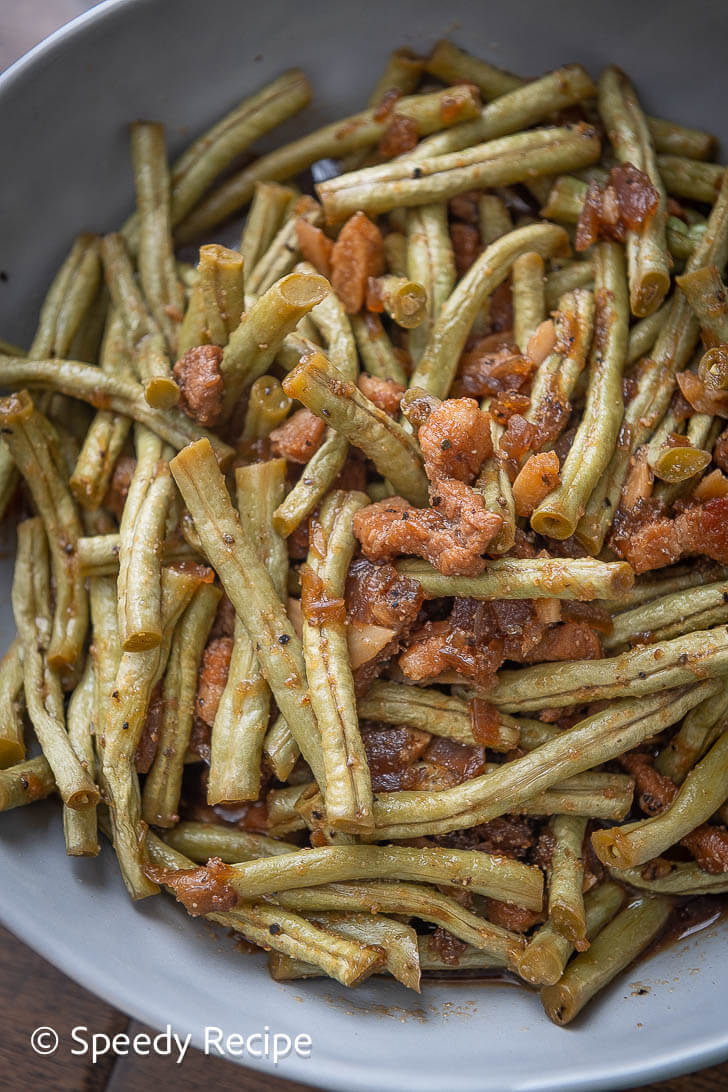
Keep us updated with your thoughts on these tasty recipes! Comment below if you’ve got suggestions or questions in mind.
Adobong Sitaw
Ingredients
- 15 pieces snake beans, cut into pieces
- 2 ounces pork, chopped
- 6 cloves garlic, chopped
- 1 piece onion, chopped
- 5 tablespoons soy sauce
- 4 tablespoons white vinegar
- 1/2 teaspoons sugar
- 3/4 cups water
- 3 tablespoons cooking oil
- Salt and ground black pepper to taste
Instructions
- Heat oil in a pan. Add pork. Cook until the color turns medium brown.
- Add garlic. Saute for 1 minute.
- Add onion. Continue sautéing until the color turns translucent.
- Pour soy sauce. Cook while stirring until liquid evaporates.
- Pour-in vinegar and water. Cover. Let boil. Adjust heat between low to medium. 6. Continue boiling for 10 minutes. Note: add more water if needed.
- Add snake beans. Cover and cook for 8 minutes.
- Season with sugar, ground black pepper, and salt. Stir. Cook for 3 minutes more.
- Serve with warm rice.
Nutrition Information
Watch How to Cook Adobong Sitaw
httpv://youtu.be/QnmKGuKVF6E





Leave a Reply